Why Regular Eye Tests Are so Important
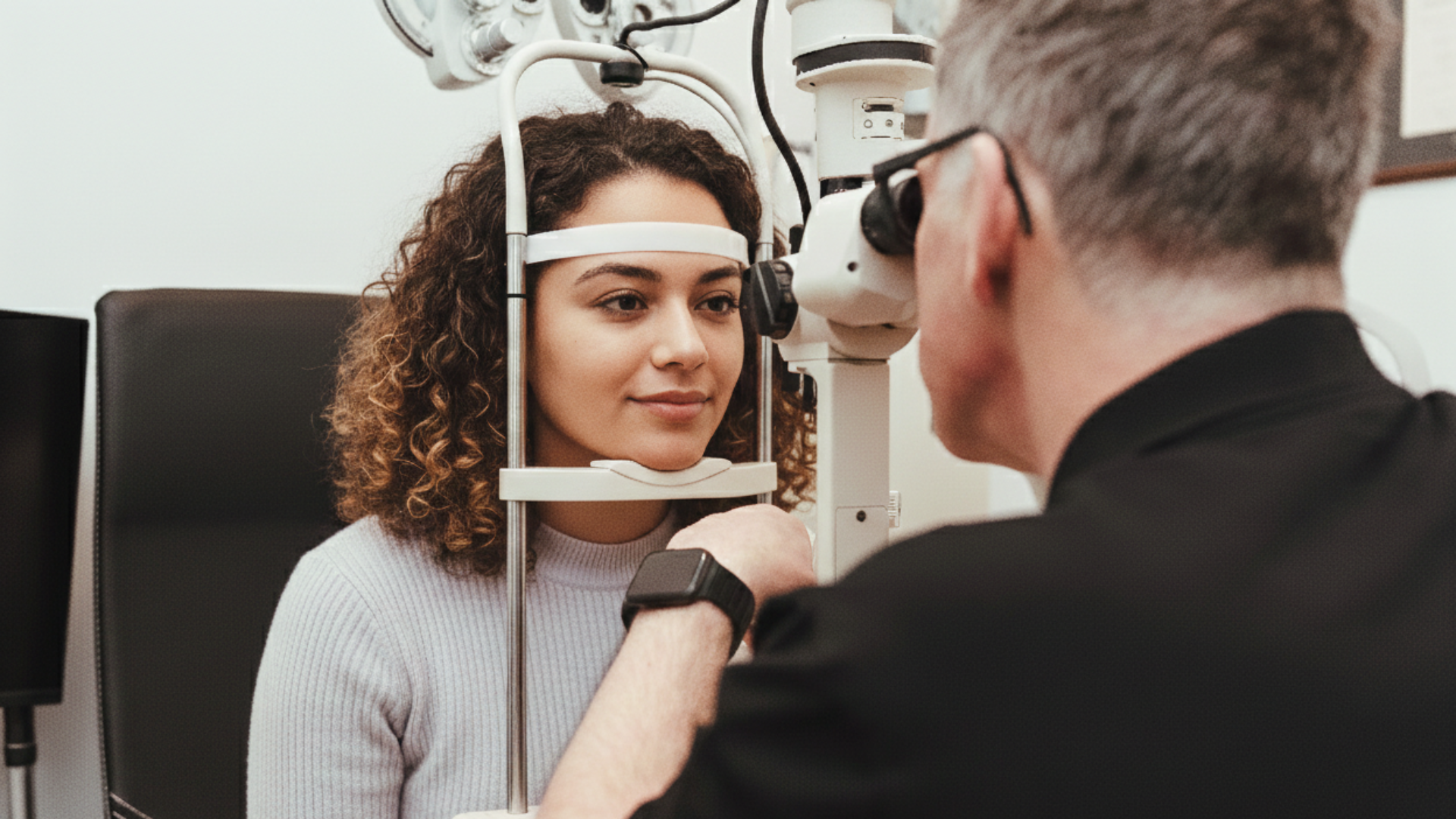
Many people only think about booking an eye test when their vision changes. If things seem clear, it’s easy to assume everything is fine. But modern eye examinations do far more than check whether you need glasses - they play a vital role in protecting your long-term eye health.
Eye conditions don’t always show symptoms
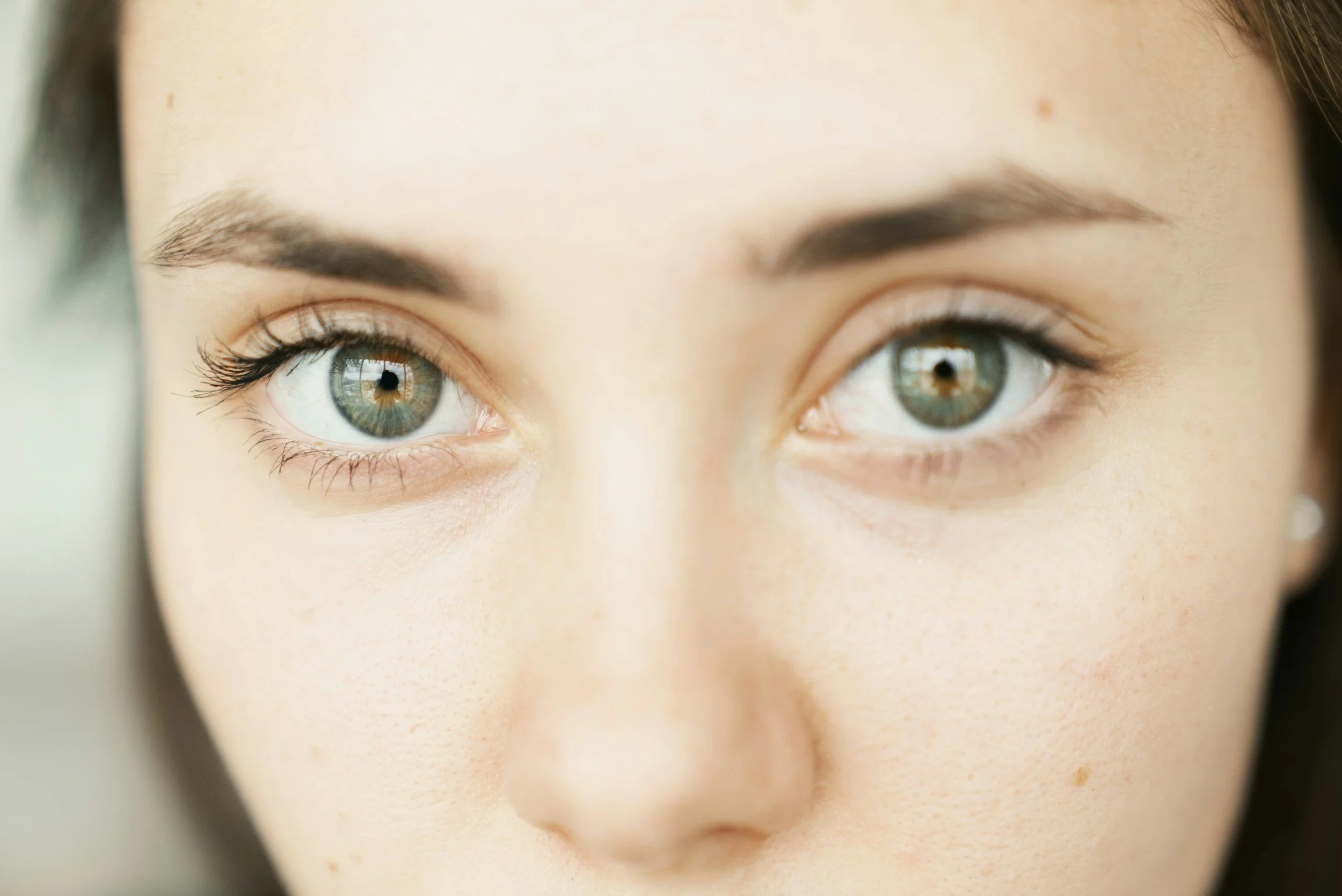
Some of the most serious eye conditions, including glaucoma, macular degeneration and diabetic eye disease, can develop slowly and without obvious warning signs. In the early stages, your vision may feel completely normal. By the time symptoms are noticeable, damage may already be permanent.
This is why regular eye tests are so important. They allow potential problems to be detected early, often before you’re aware anything is wrong.
More than just a vision test
A comprehensive eye examination looks at much more than how clearly you can see. It can help identify:
- Early signs of glaucoma
- Changes linked to diabetes or high blood pressure
- Issues with the retina or optic nerve
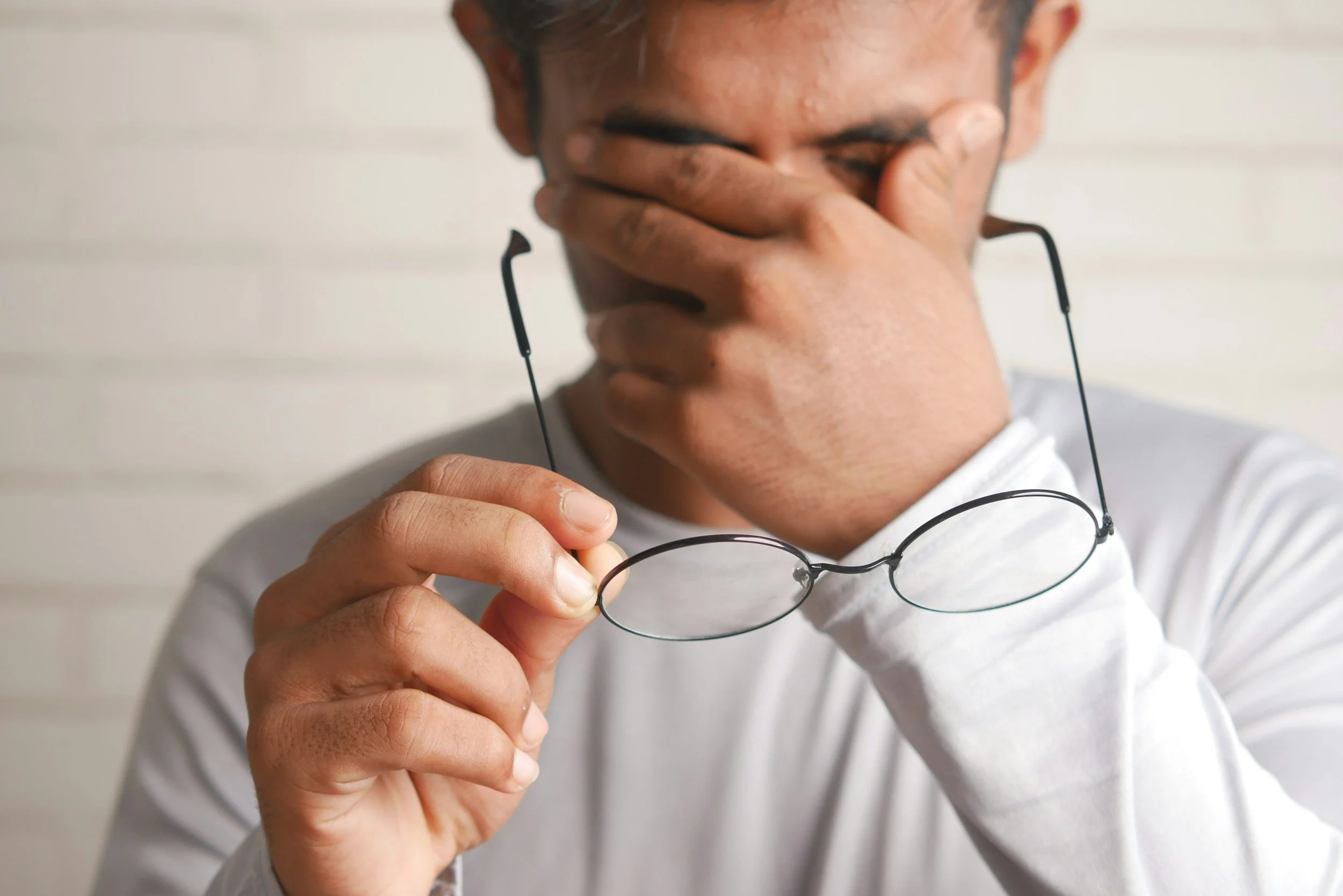
- Eye strain and dry eye related to screen use
These checks make eye tests an important part of your overall health routine - not just a way to update your prescription.
How often should you have an eye test?
For most adults, an eye test every two years is recommended. You may need more frequent checks if you:
Are over 40
Have a family history of eye disease
Have diabetes or other health conditions
Notice headaches, eye strain or changes in comfort
Your optician can advise what’s right for you based on your individual needs.
Looking after your vision for the future
Our eyes work hard every day, yet they’re often overlooked until something goes wrong. Regular eye tests provide reassurance, peace of mind and the opportunity to catch potential issues early - when they’re easiest to manage.
If it’s been a while since your last eye test, now is a good time to book an appointment and take a proactive step towards protecting your vision.