
Why Kids’ Eyes Are Changing Faster Today — And What Parents Should Know

Over the past decade, opticians and eye‑health professionals around the world have noticed a dramatic shift: children’s eyesight is worsening at younger ages than ever before. Conditions like myopia (short‑sightedness) are becoming more common, progressing faster, and appearing earlier in childhood.
So what’s going on — and more importantly, what can parents do?
The Surge in Childhood Myopia: What the Research Shows
Studies across Europe, the UK, and globally all point to the same trend: myopia rates have doubled in many countries within a single generation.
More children are:
Becoming short‑sighted by ages 6–8
Experiencing rapid prescription changes
Needing stronger lenses year after year
Earlier onset also increases the risk of serious eye conditions later in life, including retinal detachment, glaucoma, and macular issues.
This isn’t just genetics — lifestyle plays a major role.
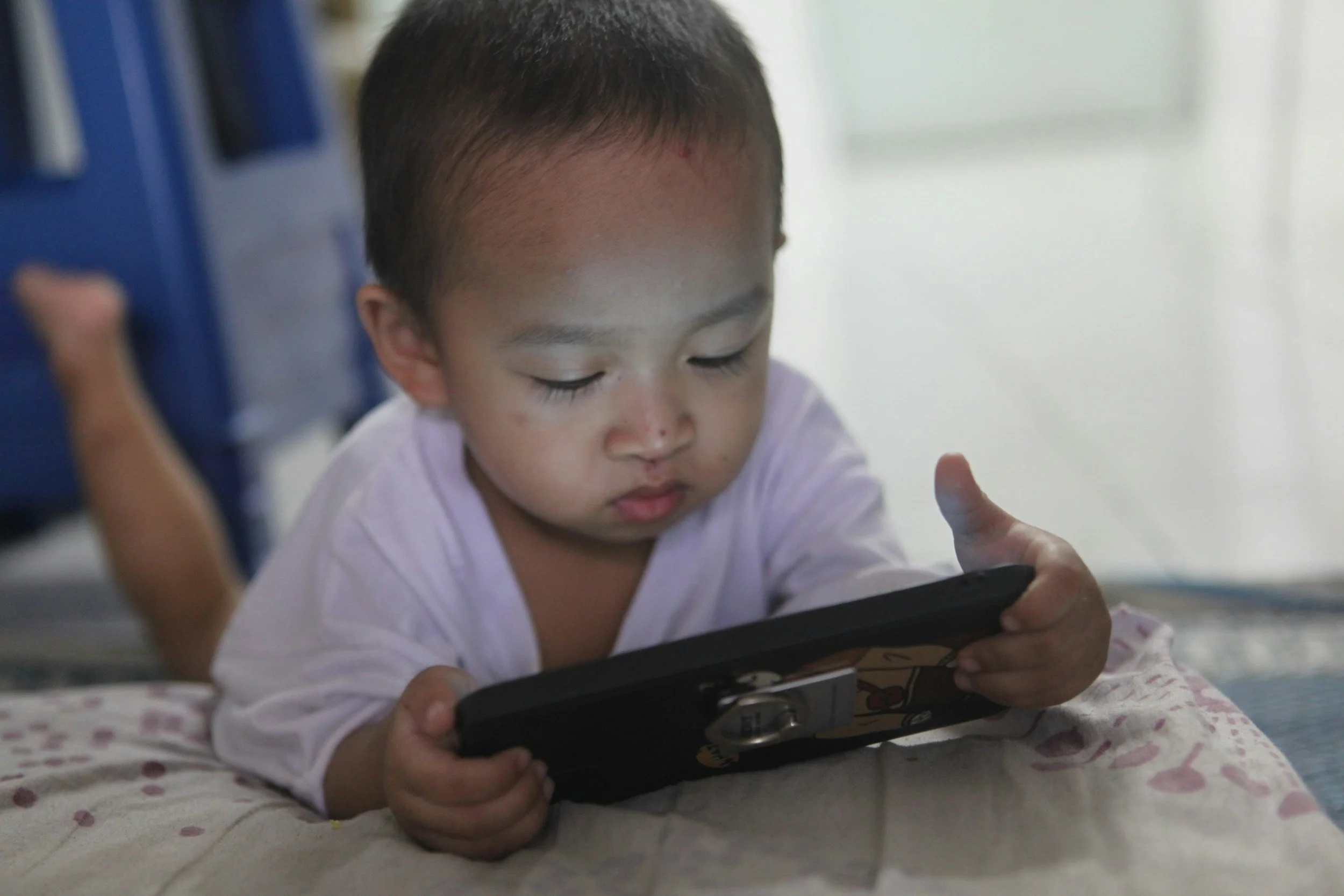
Screen Time and Near Work: The Modern Eye Strain Problem
Children today spend significantly more time doing near work (focusing on close objects), such as:
Tablets and smartphones
Computer screens
Handheld gaming devices
Reading at very close distances
While screens don’t directly “damage” the eyes, long periods of near focus can encourage the eye to elongate, which is the main driver of myopia progression.
Signs your child may be struggling with their vision:
Squinting
Frequent headaches
Sitting very close to screens or books
Complaints of blurry distance vision
Rubbing their eyes often
Kids Are Spending Less Time Outdoors — And That Matters
Here’s something many parents don’t know:
Outdoor daylight is one of the strongest protective factors against myopia.
Research shows children who spend at least two hours outdoors each day have a much lower risk of becoming short‑sighted. Natural light helps regulate healthy eye growth and reduces excessive elongation of the eye.
Today’s children often spend most of their time indoors due to schoolwork, screens, and busy schedules — all of which contribute to this growing issue.
New Solutions for Slowing Myopia Progression
Modern optometry has changed dramatically. Eye care is no longer just about correcting vision — we can now actively slow the progression of myopia in many children.
Options available at Eyelines include:
⭐ Myopia‑control spectacles
Specially designed lenses that help slow eye growth while correcting vision.
⭐ Orthokeratology (Ortho‑K)
Overnight contact lenses that gently reshape the eye while your child sleeps.
⭐ Myopia‑control soft contact lenses
Daily disposable lenses proven to reduce myopia progression in children aged 6 and up.
⭐ Lifestyle guidance
Advice on outdoor time, screen breaks, posture, and healthy visual habits.
Many of these interventions can reduce myopia progression by 30–60%, making a significant difference to long‑term eye health.

What Parents Can Do Today
Here are simple, practical steps parents can start right away:
✔ Follow the 30-30-out rule for near work
No more than 30 minutes of close work at a time, don’t hold things closer than 30cm and go outside.
✔ Encourage two hours of outdoor time daily
This can be split into smaller chunks — walking to school, playground time, or outdoor sports.
✔ Maintain good working distances
Books and tablets should be around arm’s length away.
✔ Schedule regular eye examinations
Ideally once a year, or more frequently if changes are detected.
✔ Consider myopia‑control options early
These treatments are most effective when started young.
Children’s eyesight is changing faster than ever, but the good news is that we’re better equipped than ever to help. With the right mix of healthy habits, regular eye checks, and modern myopia‑control solutions, parents can play a powerful role in protecting their child’s long‑term vision.
If you have concerns about your child’s eyesight or would like to learn more about myopia‑control options, get in touch or book an eye examination with us today.