
Hay Fever or Dry Eye? How to Tell the Difference This Spring
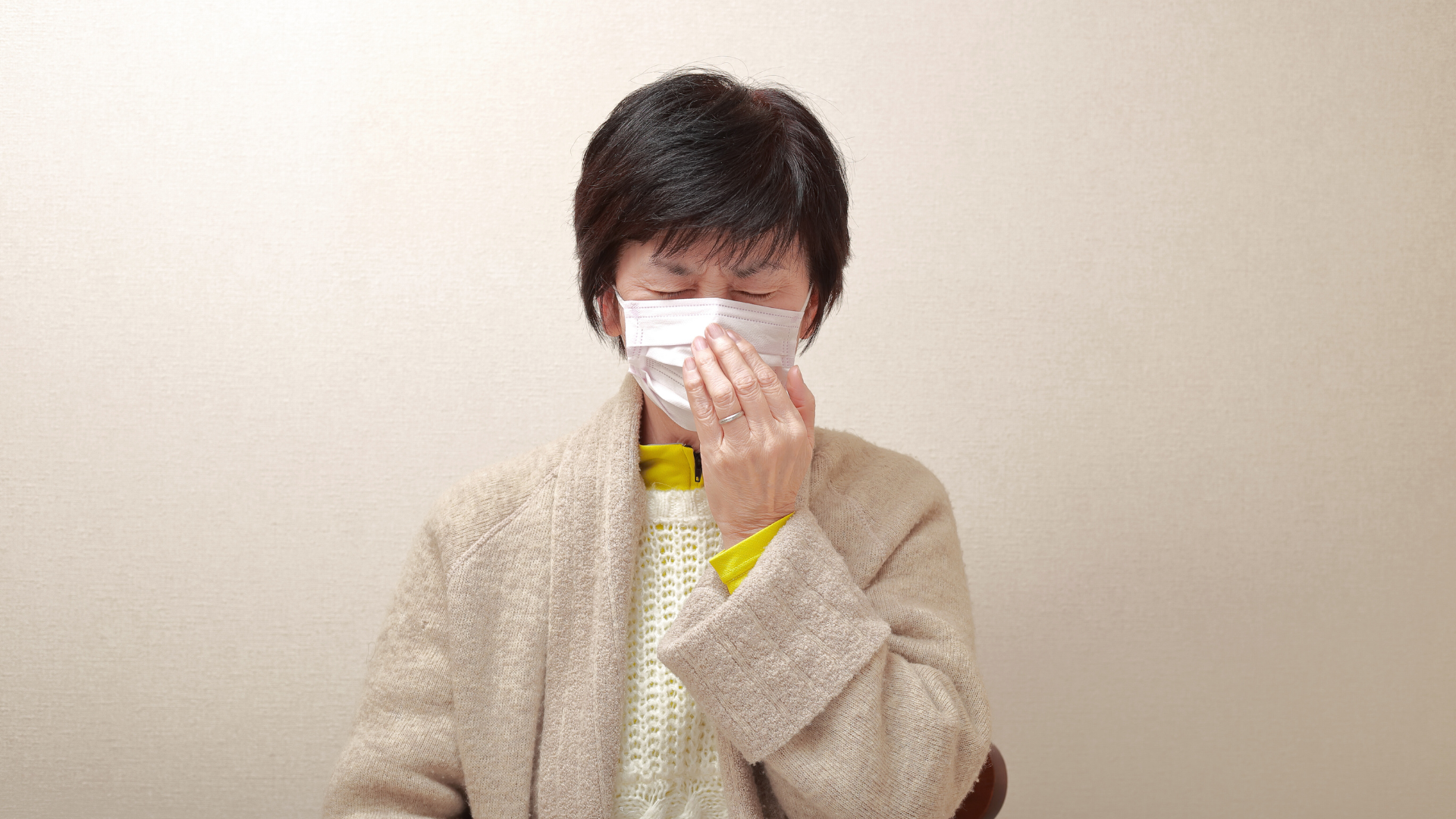
If your eyes feel itchy, watery, or irritated at this time of year, you’re not alone.
Spring brings lighter evenings and warmer weather — but it also brings pollen, brighter sunlight, and more time spent outdoors. All of these can affect how your eyes feel.
The tricky part? Hay fever and dry eye can feel very similar.
So how do you tell which one you’re dealing with?
What Is Hay Fever (Allergic Conjunctivitis)?
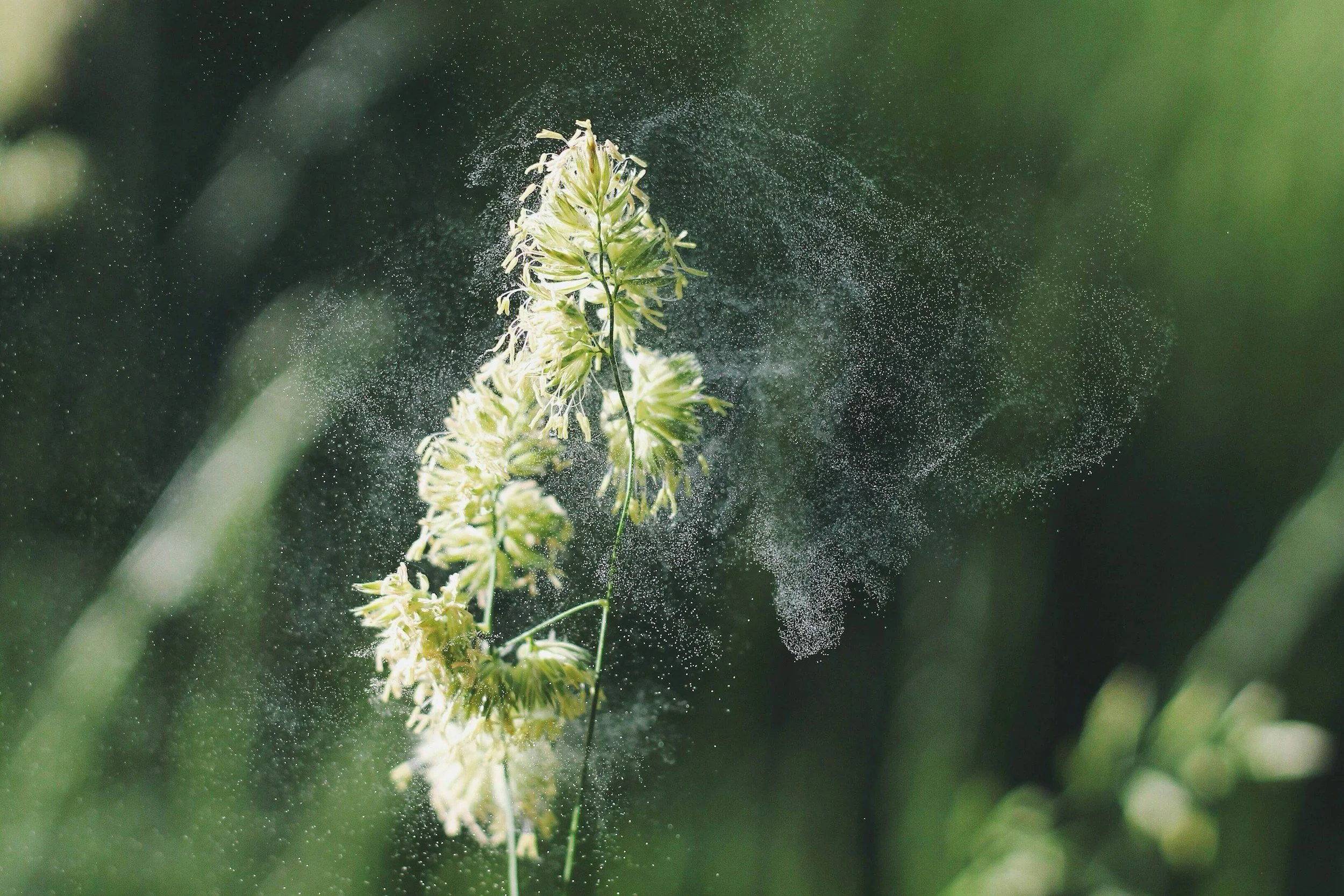
Hay fever is an allergic reaction to pollen. When pollen comes into contact with your eyes, your body releases histamine — which causes inflammation.
Common hay fever eye symptoms:
Intense itching
Redness
Watery eyes
Puffy eyelids
Often comes with sneezing or a runny nose
The biggest clue? Itching. Allergy-related irritation is usually very itchy.
It’s also often seasonal and may flare up on high pollen days.
What Is Dry Eye?
Dry eye happens when your eyes either don’t produce enough tears or the tears evaporate too quickly.
Spring can make dry eye worse due to:
Windier conditions
Increased time outdoors
Exposure to pollen and airborne irritants
Changes in temperature and humidity
Common dry eye symptoms:
Burning or stinging
Gritty or sandy feeling
Blurred vision that clears when you blink
Tired, heavy eyes
Mild redness
Dry eye is typically more uncomfortable than itchy.
Why They’re Often Confused
Both conditions can cause:
Redness
Watering
Sensitivity
General irritation
And here’s something that surprises many people:
Dry eye can cause watery eyes.
When your eyes are dry, they sometimes overproduce reflex tears — but these aren’t the high-quality tears your eyes actually need.
Quick Self-Check
Ask yourself:
Is it mainly itchy? → More likely hay fever
Is it gritty, burning or worse in wind? → More likely dry eye
Do you also have sneezing and nasal symptoms? → Probably hay fever
Is it ongoing outside of spring? → Likely dry eye
That said, it’s completely possible to have both at the same time.
Why Getting the Right Diagnosis Matters
Treatments are different.
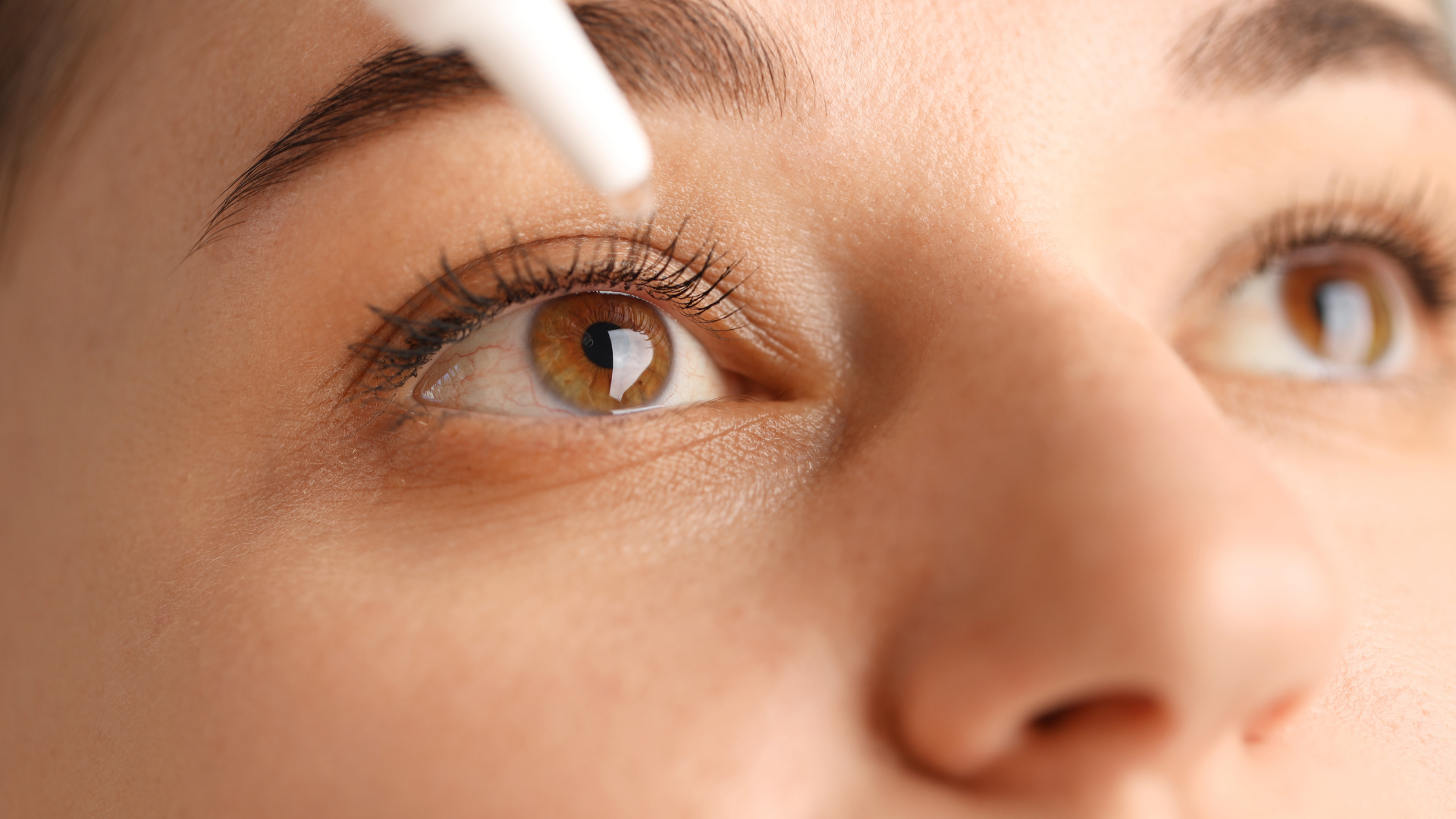
Allergy drops target inflammation caused by histamine.
Dry eye treatment focuses on improving tear quality and eyelid health.
Using the wrong drops can sometimes make symptoms worse or provide only temporary relief.
Don’t Just “Put Up With It”
Many people assume irritated eyes are just part of spring and carry on uncomfortable for months.
If your eyes are bothering you:
We can assess whether it’s dry eye, allergy-related, or both.
We can recommend the most appropriate treatment.
We can check that nothing more serious is going on.
Spring should feel fresh — not frustrating.
If you’re unsure what’s causing your symptoms, book an appointment or pop in for advice.